Mucilage: The Silence Beneath the Marmara
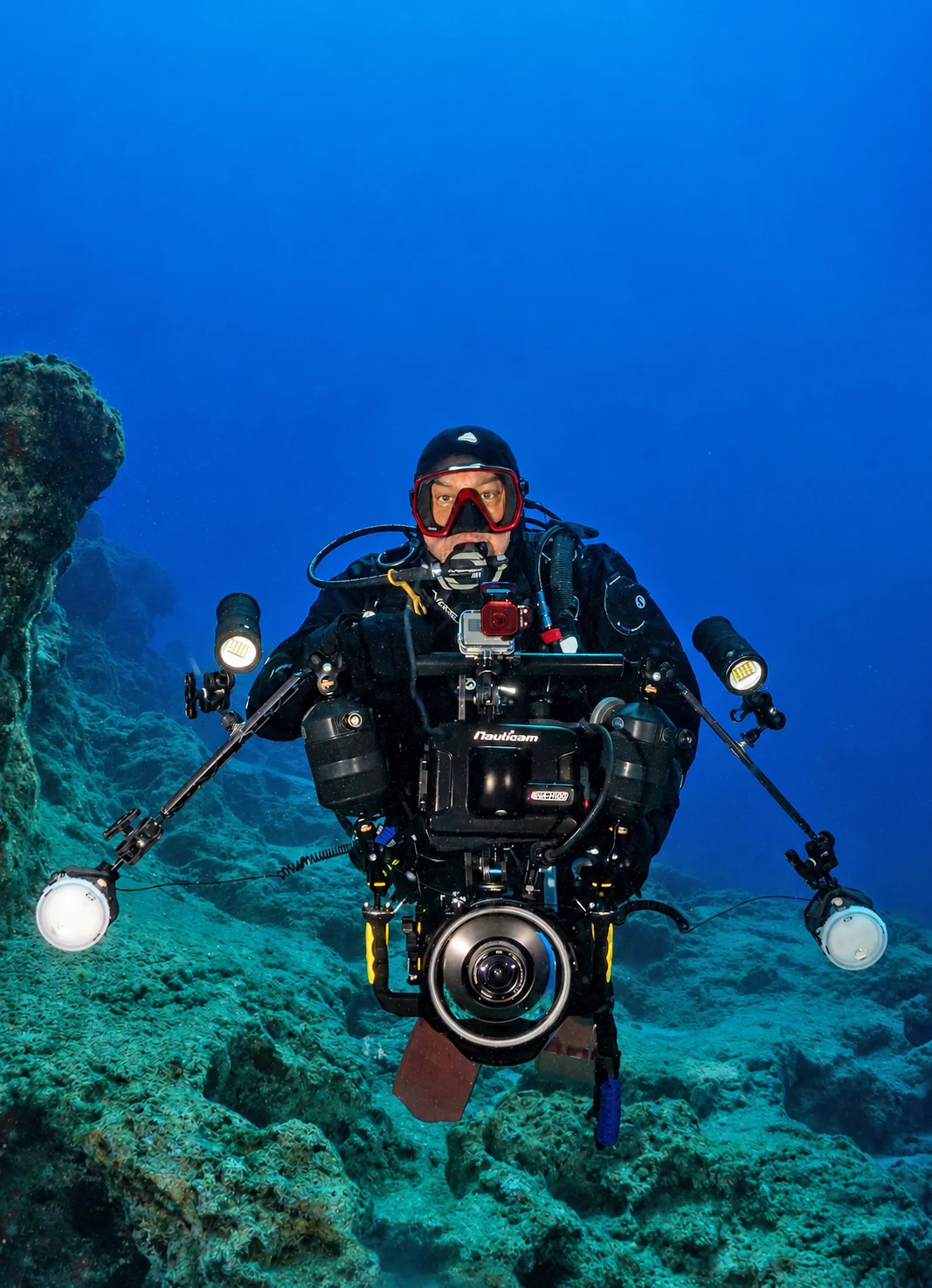
Text and photographs: Tahsin Ceylan
From the Coast Guard Magazine archive, February 2025. The text reflects the account and observations of the period in which it was first published.
It is Türkiye's only inland sea, separating the continents of Asia and Europe and linking the waters of the Black Sea to the Aegean and the Mediterranean. Unique in its geopolitical position and enriched by surface waters flowing in from the Black Sea, the Marmara is also one of the youngest and most dynamic bodies of water in the world. Wastewater, coastal settlement, fishing pressure, heavy maritime traffic and the adverse effects of global climate change have long threatened the very life of the Sea of Marmara. The Marmara, our source of breath and livelihood, is now the stage for mucilage — otherwise known as sea snot. The largest coral population in the Sea of Marmara is under mucilage pressure.
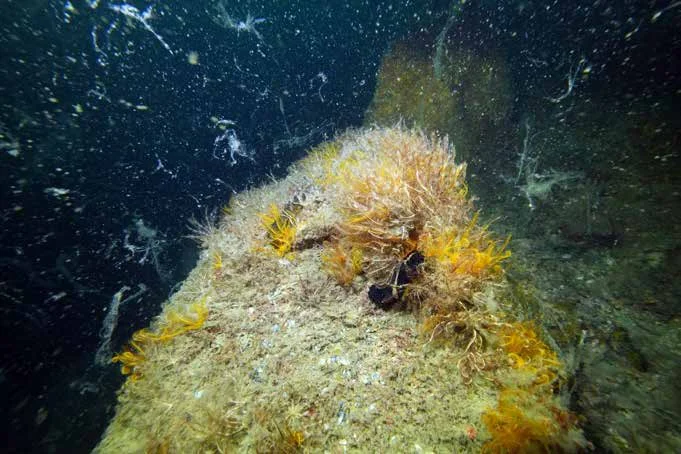
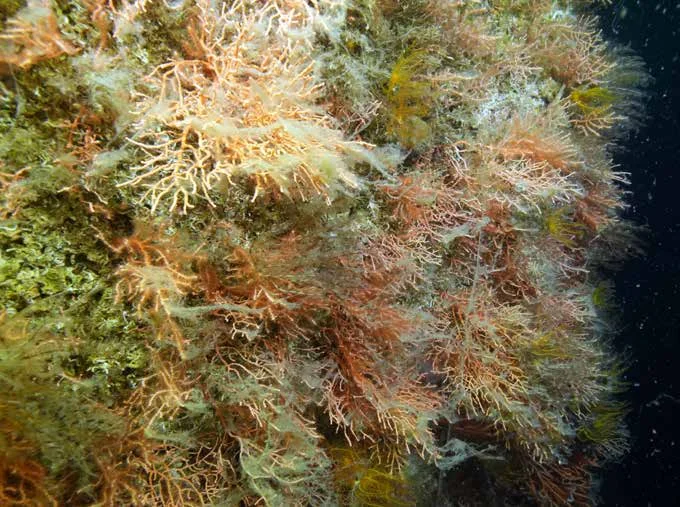
While the surface is covered by a thick yellow layer, the real tragedy unfolds below. The oxygen in the water is disappearing. The lives of many creatures are coming to an end and biodiversity is in decline. At depths of 20 to 30 metres off Sivriada lies what may be the largest coral population in the Sea of Marmara. Eunicella cavolini is an endangered species and appears on the Red List of the International Union for Conservation of Nature (IUCN). Under heavy mucilage pressure, these corals feed by opening their polyps; they are now coated in mucilage and, unable to feed, they will lose their lives. This phenomenon, which harms the entire ecosystem, threatens the future of the Marmara, a closed sea.
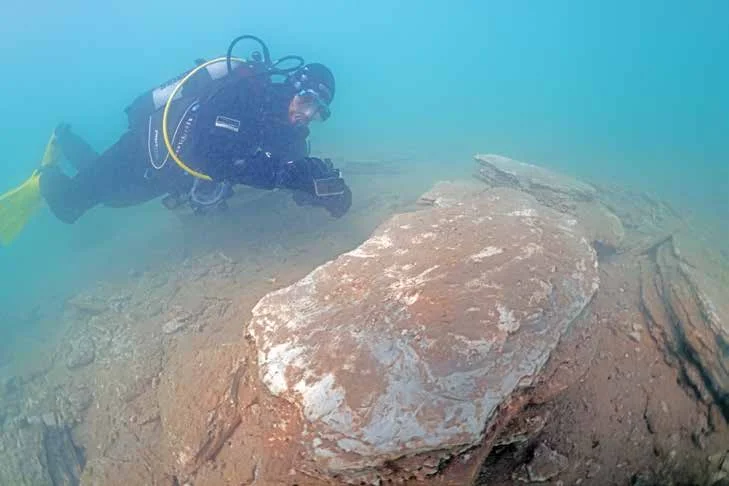
The rise in nitrogen, phosphorus and nutrient salts caused by wastewater and agricultural activity is the root of the problem. Dinoflagellates, a group of phytoplankton that digest organic matter released into the sea untreated, are the cause of this formation. But the yellowish, gelatinous layer we see at the surface or on the seabed is their dead remains, and because they rapidly consume the oxygen in the environment, life in the depths is left in grave danger. On dives with the Coast Guard İstanbul DEGAK teams, we witnessed this great tragedy. The layer cuts off seagrass meadows, seaweed and algae from contact with sunlight, preventing them from photosynthesising.
Our living sea is turning into a patient in need of urgent care. To address this problem, the Marmara Sea Action Plan, consisting of 22 articles, was announced on 6 June 2021 by the Ministry of Environment, Urbanisation and Climate Change. Within the scope of the Action Plan, and coordinated by the Ministry, an analysis covering every port, marina, fishing shelter and boatyard in the Marmara Region was carried out with the participation of the relevant institutions, scientists and the Coast Guard Command. This work set out facility construction, treatment system applications and cost analyses in detail.
In another study conducted in coordination with the Ministry of Environment, Urbanisation and Climate Change, the areas where mucilage had spread and its effects on the marine ecosystem were observed with the support of Coast Guard air assets and diving teams. All of this work makes an important contribution to assessing the effects of mucilage on the ecosystem scientifically, identifying preventive measures and developing effective response strategies. Let us not forget that the care we hold develops through our behaviour and becomes a culture.
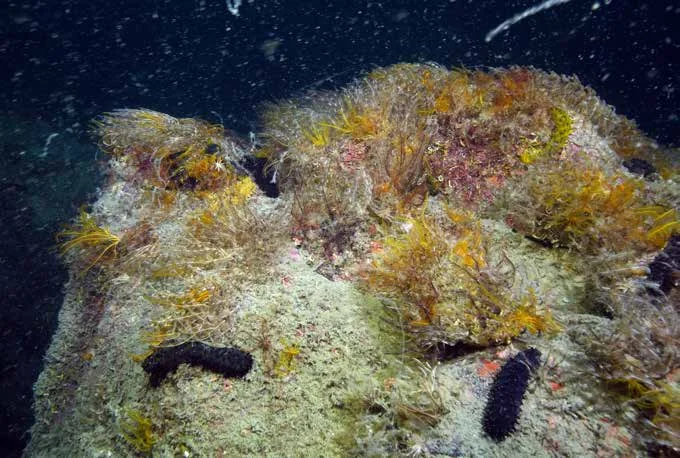
Our first responsibility, therefore, must be not to pollute the seas that give us life. While fish eggs floating in the pelagic zone at the surface are trapped inside the mucilage, species living on the seabed such as mussels, tunicates and oysters are coated in the slime.