A Living Legend of Our Time: Seahorses
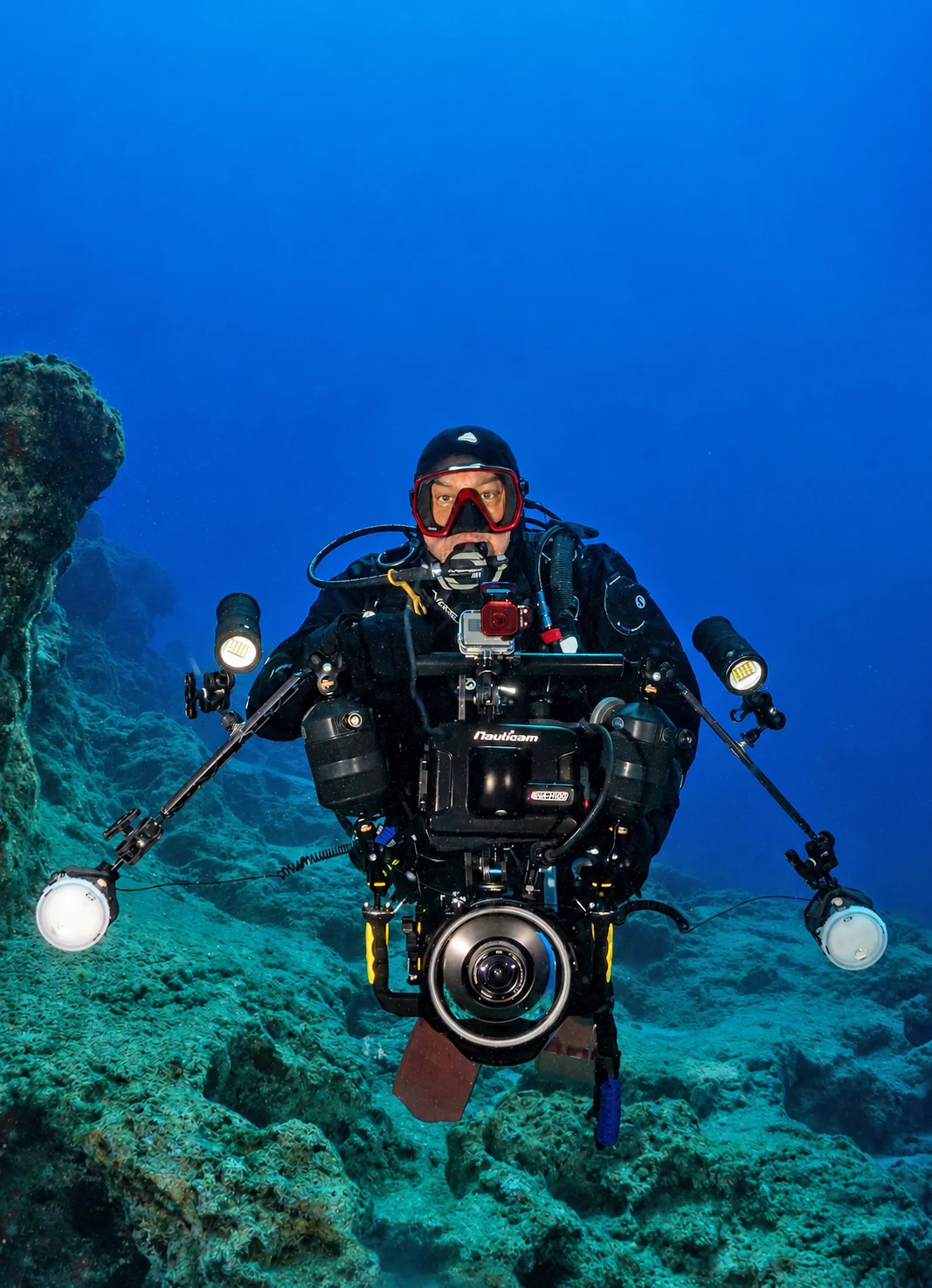
Text and photographs: Tahsin Ceylan
From the GEO archive, 2015. The text reflects the account and observations of the period in which it was first published.
Much has been written about them, and many stories told. For some they became an ornament, for others a token of a wish, and for others still a creature of the imagination. In mythology it was believed that the dead seahorses washed ashore were in fact the young of the giant stallions that pulled the chariot of Poseidon, god of the sea, in the depths. Fishermen who saw dead seahorses on the shore would throw cups filled with wine into the sea before setting out, to please Poseidon and the sea nymphs, the Nereids. Poseidon is said to have lived in a palace deep in the great blue, always carrying a three-pronged trident.
One day, while dancing with her sisters near the island of Naxos, he met Amphitrite, the underwater goddess of all the seas that encircle the universe. It is said that Poseidon had loved her for a long time, but that the young woman refused him and hid in the depths of the ocean. One day Amphitrite was found by dolphins, brought to Poseidon in a magnificent ceremony, and they married. From this union came a child, who was given the name Triton. Triton chose a spiral shell as his horn, and when he blew it the sound resembled the roar of raging waves.
Our longing to hold to our ear the empty shell we know as Charonia tritonis, home to a mollusc, and hear the sound of the waves comes from precisely this story. It is also known that in ancient times sailors used this shell as a whistle for signalling. Although most people think of seahorses as imaginary creatures, like heroes from a storybook, they are not a legend or a myth like the mermaid: they are real, living animals. One of the features that sets seahorses apart from other fish is that their bodies are covered not in scales but in ring-shaped bony plates.
While these bony plates protect them from predators, they also limit their ability to move. Because the number of plates differs between species, it is used as a distinguishing feature in classification. The "coronet" structures, also used in classification, are perhaps a gift to them from the vast blue. The lower and upper jaws come together to form the snout. Their small mouths sit at the end of this tube-shaped snout, and they have no teeth. Swimming in an upright position also makes the seahorse an exception among animals. Watching a seahorse swim is a wonderful experience; they seem to glide through the water column.
They propel themselves with the dorsal fin. The ear-shaped pectoral fins allow them to hold still and to steer. They have been observed changing colour during courtship and daily greeting rituals. In seahorses, whose bodies are encircled by bony rings, telling male from female is quite easy. In the female these rings continue across the belly, whereas in the male there are no bony rings where the pouch is — that is, where he raises his young. Small as they are, seahorses are insatiable and voracious predators. They particularly favour live, moving prey.
Small amphipod crustaceans, fish eggs and other small invertebrates top their menu. Having no teeth, they swallow their food whole. Having no stomach, they must find food constantly. They are generally more active by day, but some species, such as Hippocampus ingens, are nocturnal. All seahorse species live in the sea; in shallow, temperate and tropical waters they generally prefer areas such as seagrass meadows and coral reefs. Broadly speaking they are distributed between 50 degrees north and 50 degrees south.
Most species are found in the western Atlantic and the Indo-Pacific. Because they live mainly between 5 and 30 metres, the depths most affected by human activity, the destruction of coastal areas poses a serious threat to seahorse populations. Size varies between seahorse species. Full length is measured from the outermost tip of the coronet to the end of the tail. Hippocampus abdominalis, the largest species, reaches up to 30 centimetres, while H. denise is smaller than 2 centimetres and holds the title of smallest seahorse.
Intensive work to determine the number of seahorse species — whose lifespans range from one to five years — is still ongoing. Over the past 200 years more than 120 descriptions have been made, but most of these have been found to be synonyms, that is, different names given to the same species. This difficulty in naming arose because seahorses can change colour to match where they live and can grow skin filaments to blend into their surroundings.
The Project Seahorse team, which carries out wide-ranging seahorse research, works to protect them and is the leading authority on seahorses worldwide, states that the number of valid species is 33. In Türkiye there are only two: Hippocampus hippocampus and Hippocampus guttulatus. In Latin, "hippos" means horse and "campus" means caterpillar or worm. Hippocampus hippocampus is known as the short-snouted seahorse. It reaches a maximum length of 15 centimetres. Its coronet is quite narrow.
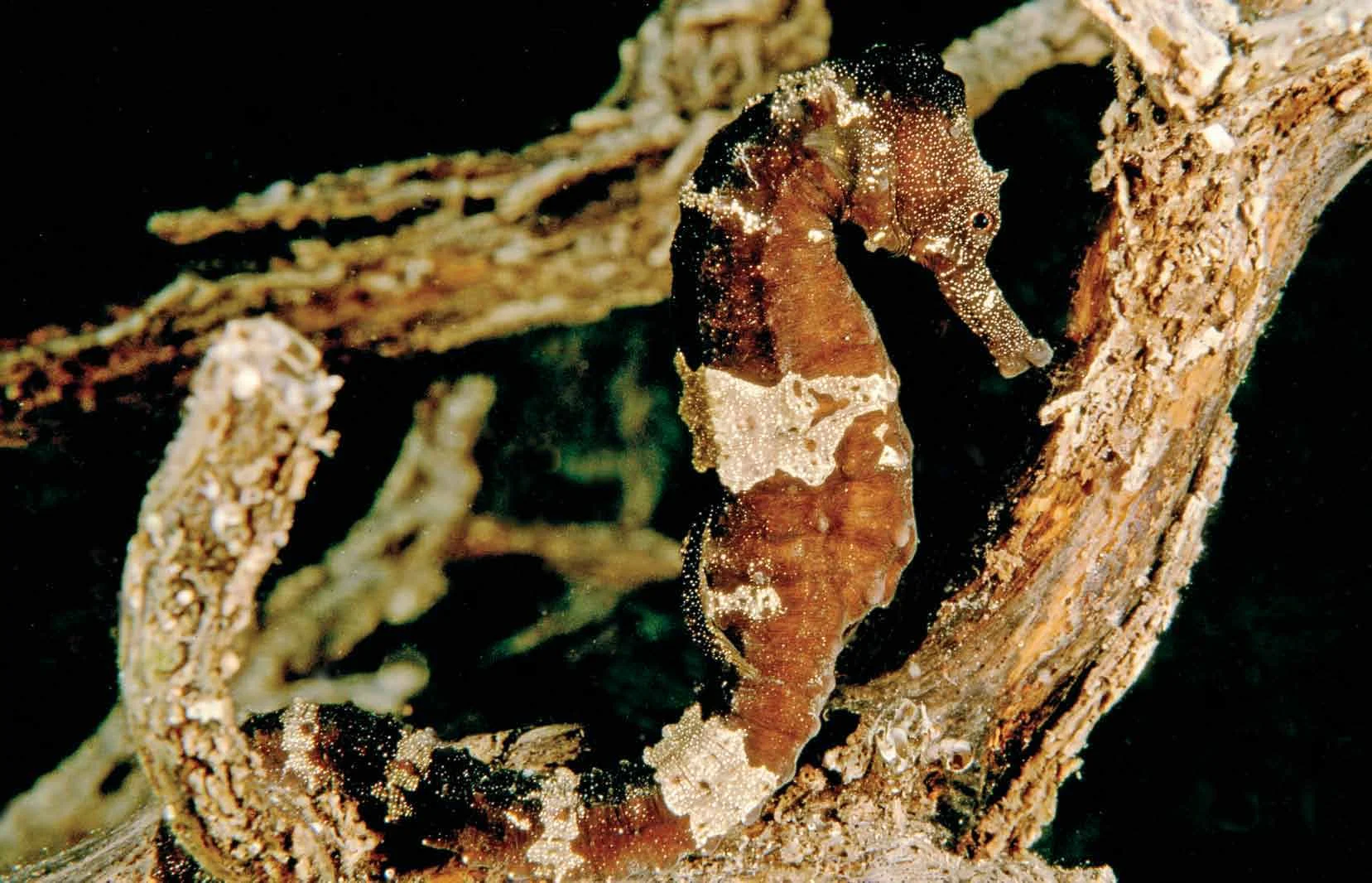
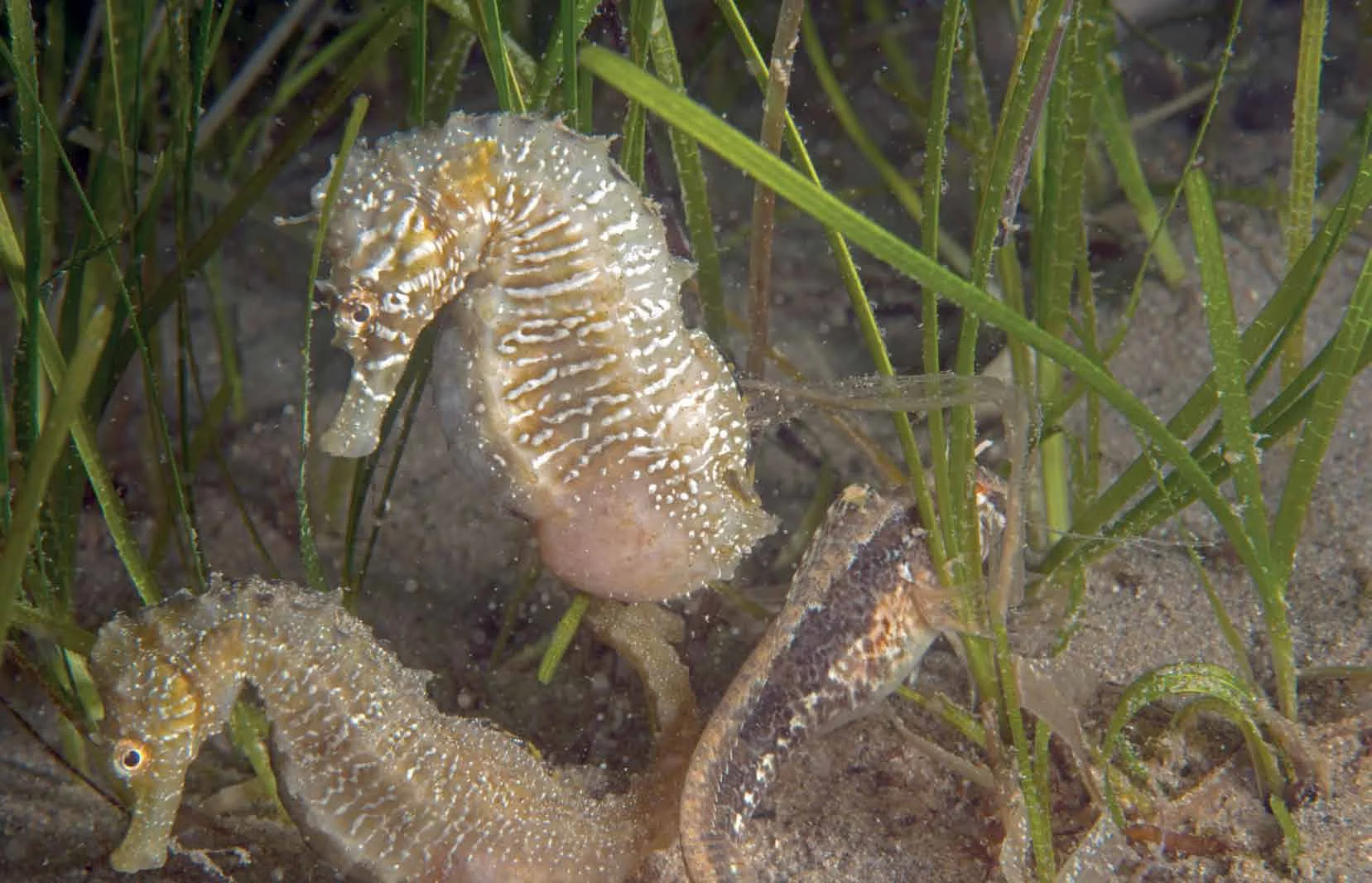
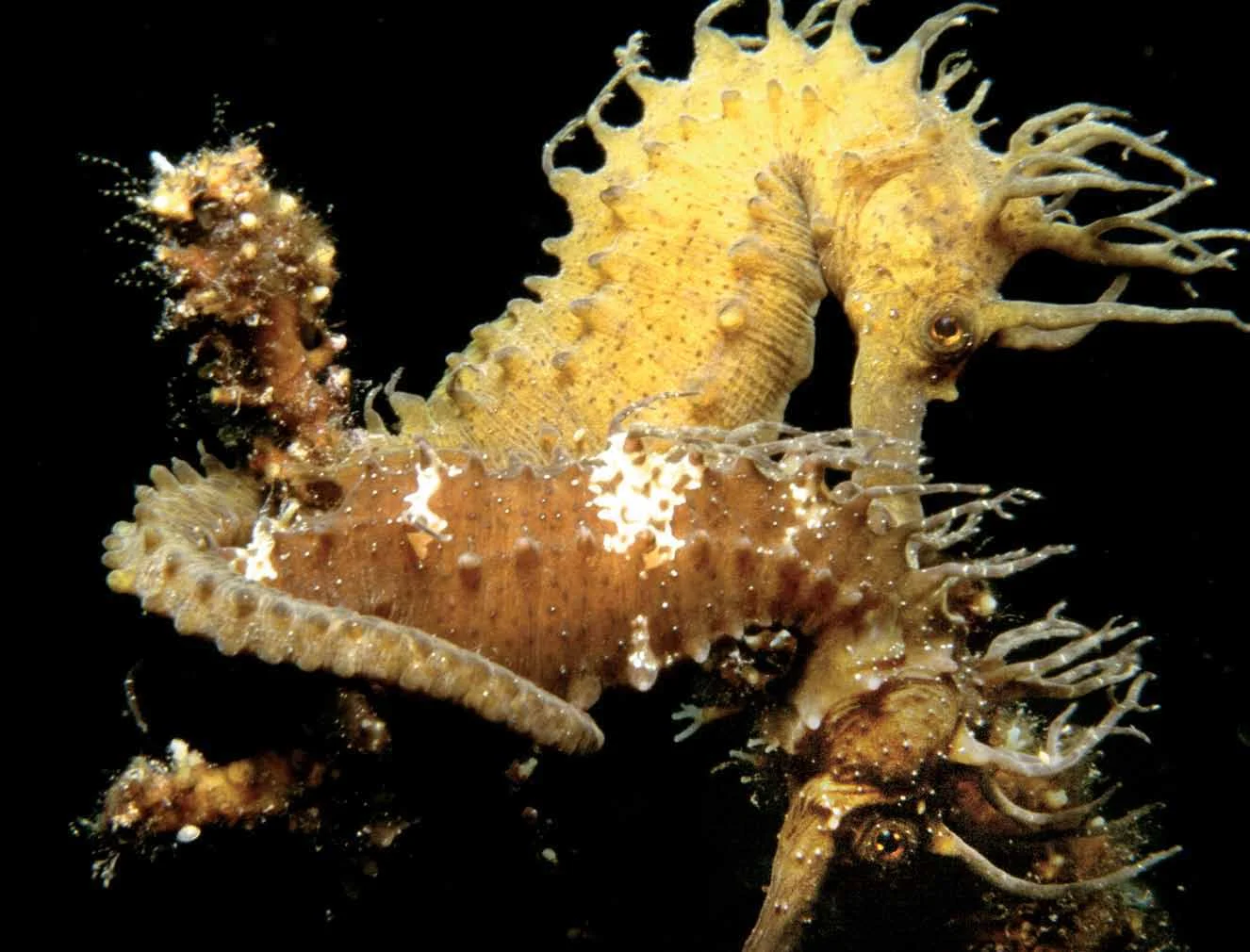
It is distinguished from other seahorse species by a snout shorter than one third of its head length. There are prominent spiny projections just beside the eyes. It can be purple, brown, orange or black, and sometimes marked with white spots. Besides Türkiye, it is found in France, Greece, Italy, Malta, the Netherlands, Portugal, Senegal and Spain. They generally live in coastal waters but may at times enter brackish water. Hippocampus guttulatus is known as the long-snouted seahorse. Its maximum length is 18 centimetres. H. guttulatus is larger than H. hippocampus and has a greater number of fin rays.
In H. guttulatus the tail is also longer in males. Its coronet is small but quite distinct. The spiny structure beside the eyes is pronounced in this species as well. They may be brown, yellow or marked with white spots. Pale lines may also be seen along the back and flanks. Its distribution is the same as that of H. hippocampus. This species is also referred to as Hippocampus ramulosus.
The male's pregnancy
Besides their physical differences from other fish, seahorses also hold the distinction of being the only group of animals in nature in which the males become pregnant. Among the most enchanting aspects of mating in seahorses — one of the most graceful creatures underwater — is a courtship that lasts three days. Males compete with other male seahorses to attract a female. Yet in this partnership it is the male seahorse who is active and determined to become pregnant. At the end of three days the female deposits her eggs into the male's pouch with the aid of an organ called the ovipositor.
The male fertilises, protects and oxygenates the eggs. A female seahorse can deposit between 1,000 and 1,500 eggs into the male's pouch at one time. The embryos are nourished by the capillaries within the brood pouch. Another curious detail is that during this period the male produces prolactin, a hormone otherwise specific to females. During pregnancy the interior of the pouch comes close to the temperature of the surrounding seawater, so that the young have no difficulty adapting to it when they are born.
The length of a seahorse's pregnancy varies with the species and with conditions such as the temperature and salinity of the region, and after 9 to 30 days between 100 and 300 young are born. The birth itself is a spectacle in its own right. Contracting, and sometimes rubbing his belly against rocks to ease the delivery, the male becomes the protagonist of this display. The newborn young begin to swim entirely independently of their father.
Mates and habitats
Young seahorses are born between 6 and 12 millimetres long and begin adapting to their habitat straight away. Seahorses are monogamous. Scientists interpret this as a consequence of their short lifespans, their lack of surplus energy and the difficulty of finding a mate given how slowly they move. A seahorse that loses its mate risks never finding another. Slow-moving though this mythological creature may be, seeing it underwater — in its natural habitat — and filming it is not as easy as it sounds.
Because they generally choose areas where seagrass (Posidonia) forms dense meadows, and because of their incredible powers of camouflage, picking them out is quite difficult. On top of that, they constantly turn their backs while you are trying to photograph or film them; this 10-centimetre creature has made me break a sweat underwater more than once. Filming one therefore takes patience and devoted effort. Your luck begins with simply seeing it under the water. And the moment you see it in its habitat, you feel you have met a creature out of a fairy tale.
With their unusual head shape, their upright, curved bodies, the tail they use for gripping and those magnificent, independently moving eyes that follow you everywhere, seahorses have an enchanting splendour.
The story of the Princess
The story of the princess is the kind of thing they mean when they say: "Live it once, remember it a thousand times, and let it go on bringing you happiness with every remembering." There are things a person wants badly… For me, it was to film that one seahorse in Türkiye's territorial waters that would stay with me and be remembered for the rest of my life. My soul in the blue was out on the roads, never minding the distance. In the witness of life, the blue waters of Kaş welcomed me, holding a princess within. I searched, and I found the owner of those magical, magnificent eyes. She was living a modest life among the posidonia of Hidayet Cove. It was not my outstretched hands but my heart that longed to film her.
As the magnificent spell in those eyes, which carried whole worlds, wrapped around my body, this creature carried the stars in moonlight into my heart. She held herself and looked at me with such pride that I had named her "Princess" before I had even surfaced. Protecting these rare creatures, which have existed on our planet for some 50 million years, is deeply important for many reasons, biodiversity first among them. The seahorse population is under threat in Türkiye as it is around the world. Sadly, they are still traded in many countries. In Far Eastern countries in particular, millions of seahorses are consumed in the belief that they treat asthma and respiratory difficulty and act as an aphrodisiac.
The destruction of the habitats that make up their living space also threatens the species' survival. For this reason many countries have put legal conservation strategies in place. Let us too be mindful about protecting this enchanting creature in Türkiye, and carry them into the future as part of our ecology — so that the magic of those magnificent eyes may last forever and go on adding love to our hearts.
References:
- Taşkavak E., Filiz T., Poseidon ve Denizatları - Ceylan T., Manav E., Büyüsü Zerafetinden Tacı Engin Denizden. - Bilecenoğlu M., Türkiye Deniz Balıkları Atlası. - Debelius H., Mediterranean and Atlantic Fish Guide.